Most construction problems are not bad luck. They come from decisions made, or skipped, before work started. Here are the issues we see most often on commercial and residential sites in Sri Lanka, and what you can do to avoid them.
1. Damp walls and peeling paint
Rising damp, rain penetration and trapped moisture are common in our climate. The signs are bubbling paint, salt marks, mould and a musty smell.
How to avoid it: use a proper damp-proof course at ground level, slope external surfaces away from walls, seal the tops of parapet walls and use breathable, exterior-grade paint systems. In renovations, find and fix the source of the water before repainting. Painting over damp only hides it for a few months.
2. Roof and gutter leaks during the monsoon
Leaks often appear at joints: where a roof meets a wall, around skylights, at gutters and downpipes, and where services pass through the roof.
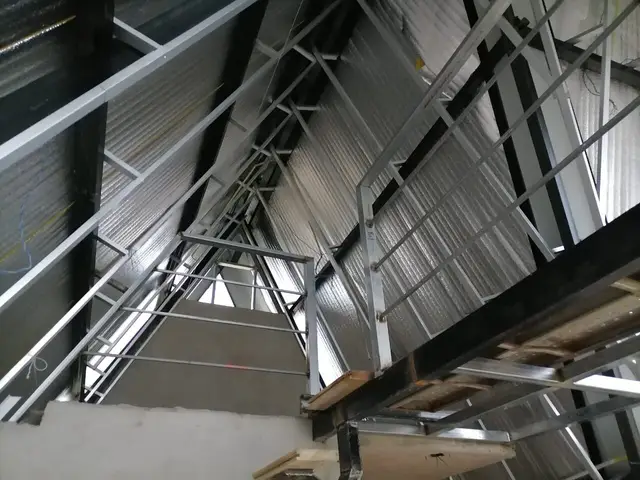
How to avoid it: plan flashings and drainage in the design, size gutters for heavy rain, and test before the ceiling goes up. On steel structures such as cabanas and pergolas, sealing every fixing point matters. Our Jetzo Cabana project shows how much of the work happens before the finishes go on.
3. Termites and timber damage
Termites can destroy untreated timber, door frames, ceilings and built-in furniture, sometimes before you notice anything.
How to avoid it: use anti-termite soil treatment before slab work on new builds, choose treated or naturally resistant timber, keep timber off damp masonry, and inspect regularly. For joinery, ask your contractor which boards and treatments they use.
4. Quotations that keep growing
A low starting price that keeps rising is one of the most stressful experiences for any owner.
How to avoid it: insist on an itemised quotation after a site visit and an agreed design. Make sure it names materials and finishes, lists what is excluded, and explains how changes are priced. Our guide on how to choose a construction company in Sri Lanka covers the questions to ask.
5. Delays that push back opening day
Common causes are late design decisions, waiting for imported materials, weather, and trades arriving out of sequence.
How to avoid it: finalise the design before work starts, order long-lead items early, and ask for a written programme with stages. Seeing the space in 3D first helps you make decisions once, not on site.
6. Electrical and plumbing done as an afterthought
Too few sockets, overloaded circuits, missing data points, poor drainage falls and air-conditioning with nowhere to drain are all expensive to fix after the walls are finished.
How to avoid it: give your contractor a full list of equipment early: coffee machines, ovens, display fridges, computers, gym equipment, lighting and signage. Plan the services around them.
7. Finishes that look tired within a year
Cheap laminates that swell, flooring that scratches, and upholstery that stains quickly can make a new space look old.
How to avoid it: choose finishes for how the space will actually be used. A café floor, a gym floor and a clinic floor all need different materials. See how hard-wearing finishes were chosen for The Core 2.0 Gym.
The common thread
Almost every problem above is cheaper to prevent than to repair. A site visit, a clear design, an itemised quotation and an experienced team on site solve most of them before they start.
If you are dealing with one of these problems now, or want to avoid them on a new project, send us a message. A free consultation is a good place to start.